
"washed Ethiopian coffee"
3000 article(s) found

Ethiopian coffee washed yejia sherbet
Ethiopia is an important coffee producer, with about 12 million people engaged in coffee production and is Africa's leading exporter of Arabica coffee beans. The quality of coffee here is excellent and worth looking for. Coffee cultivation in Ethiopia can be found in a variety of ways: from patches of wild coffee groves and semi-developed land, to small plots of traditional management, to modern plantations, where coffee is grown in a variety of ways.

What do you recommend for Ethiopian Arabica beans Ethiopian coffee flavor
For more information on coffee beans, please follow Coffee Workshop (Wechat cafe_style) Wolichu Wachu ETHIOPIA Honeydew, Milk Chocolate, Sage, a single Ethiopian wine with aromas of white grape, black tea and whole wheat biscuits. The wine is juicy with hints of pecan, papaya and grapefruit. Cup

Flavor characteristics of citrus gardenia Ethiopian washed Yega Xuefei _ how to choose washed Yega coffee beans
Professional coffee knowledge exchange more coffee bean information please follow the coffee workshop (Wechat official account cafe_style) hand-washed Yega mandarin gardenia flower, the entrance is clean, the acidity is fresh and bright. Contemporary Coffee Core | Yega Chuefei is the core of Ethiopian coffee in the country of origin of Arabica. It is a coffee producing area that you must know and taste deeply if you love or want to come into contact with fine coffee.

Ethiopian Yega Xuefei Fine Coffee with unique Ethiopian Flavor
Although the Ethiopian Yirgacheffe coffee is petite, it is gentle and delicate and sweet. As the hometown of coffee, thousands of years of planting history and processing tradition in Ethiopia have created high-quality washed Arabica beans. Light baking has unique sweet aromas of lemon, flowers and honey, soft acidity and citrus flavors, fresh and bright on the palate. Without
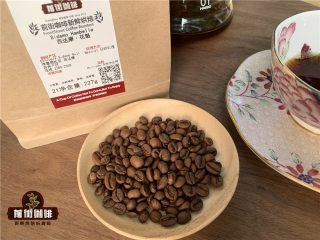
Introduction of Ethiopian coffee, flavor characteristics of Ethiopian Sidamo Sakui coffee
Follow the caf é (official Wechat account vdailycom) and find that Fairview Cafe has opened a small shop of its own with an annual output of 396000 tons per cup of water to wash the delicate floral and sweet fruit aromas of Yirgacheffe; or sun-treated Hildamo (

Ethiopian coffee plantation flavor taste introduction Ethiopian coffee characteristics
35% of coffee is courtyard coffee. In this coffee garden, the planting is three-dimensional distribution. Coffee sits in the lower layers, in the shade of other crops, to get the right environment to grow. Fertilizer is mainly deciduous, withered grass and animal manure. 5% of coffee is plantation coffee. This is a modern way of growing coffee. Coffee is grown in forests, but new varieties are used and mixed with other trees.

A brief introduction to boutique coffee and Ethiopian coffee
Ethiopia is the hometown of Arabica coffee, and it is in the forests of Kaffa that you can see wild Arabica coffee. In Ethiopian, coffee is called Bun or Buna, and coffee beans (coffee bean) may be translated from Kaffa Bun. Arabica coffee was discovered early in the Harar area, probably from the card.

Ethiopian Coffee | recommendation of individual Coffee beans-Apocalypse rare Pearl Bean washing treatment
Professional coffee knowledge exchange more coffee bean information please follow the coffee workshop (Wechat official account cafe_style) Ethiopian coffee | individual coffee bean recommendation-sun cherry Ethiopia Yega Sheffei apocalypse rare pearl round bean water washing treatment ★ citrus and lemon caramel flavor, sweet coffee with honey country: Ethiopian coffee producing area: yeah

Ethiopian Coffee | Gujala Youtirajia Layo Tiraga | Guji roasting / hand flushing suggestion
Professional coffee knowledge exchange more coffee bean information please follow the coffee workshop (Wechat official account cafe_style) front street boutique coffee recommendation | Yega Xuefei sun red cherry | Sidamo Gujia Sakui Ethiopia Gujira Youtaraga Ethiopia Guji Layo Tiraga washed producing country: Ethiopia Ethiopia variety: Ethiopian native species E

Ethiopian coffee producing region Flavor Description Ethiopian Yegashfi coffee characteristics Taste introduction
The coffee tree originated in Ethiopia, where it was originally a wild plant, and the name coffee comes from the Ethiopian town of Kaffa. Humans probably knew how to cultivate coffee trees as early as the 9th century. Ethiopia coffee origin: Ethiopia many coffee

Description of the flavor characteristics of Ethiopian coffee beans the difference between Essex plus Xuefei and Guji Coffee
For more information on coffee beans, please follow the coffee workshop (Wechat official account cafe_style) Ethiopia is currently the largest coffee producer in Africa, but only 60% of the coffee beans are exported, and the rest are used in various forms of ceremonies, such as weddings.

Introduction of Ethiopian Sidamo Lion King Coffee suitable for Air flow medium Baking
It grows in the southern Ethiopian plateau at an altitude of 5700-7800 feet above sea level, located in the northwest of Sidamo province, around Lake Abaya, usually with obvious sweetness, but also loved by most people, with an annual output of about 225000bags/60kg, smaller than Longberry, greenish in color, mostly washed; in the washing plant, the coffee fruit is fermented in a storage tank filled with water after harvest, and workers

Ethiopian Coffee Flavor introduces the characteristics of Ethiopian Coffee
35% of the coffee is courtyard coffee. In this kind of coffee garden, the planting is three-dimensional. Coffee is located in the lower layer and gets a suitable growth environment in the shade of other crops. Fertilizers are mainly fallen leaves, withered grass and animal manure. 5% of the coffee belongs to plantation coffee. This is a modern way of growing coffee, which is also grown in forests, but uses new varieties and works with others.
Ethiopian coffee
Ethiopia is the hometown of Arabica coffee, and it is in the forests of Kaffa that you can see wild Arabica coffee. In Ethiopian, coffee is called "Bun" or "Buna". Coffee beans (coffee bean) may be translated from "Kaffa Bun". Arabica coffee was discovered early in the Harald area.

Harlow bourbon Coffee characteristics of Ethiopian Coffee of Origin Guji
Professional coffee knowledge exchange more coffee bean information please follow the coffee workshop (Wechat official account cafe_style) Ethiopia Gujiharo bourbon washing Ethiopia Guji Haro Bourbon washed production country: Ethiopia Ethiopia bean seed: bourbon Bourbon production area: Guji Guji washing Plant: Wolichu processing Plant Wolichu altitude: 210

Introduction to the Flavor characteristics of Ethiopian Coffee washed by Lim Limu Jilo, Ethiopia
Professional coffee knowledge exchange more coffee bean information please follow the coffee workshop (Wechat official account cafe_style) Ethiopia Limjilo washing G1 country: Ethiopia: Lim altitude: 1850M-1900M treatment: washing grade: G1 varieties: Heirloom flavor description: bright acidity of apple, aloe, kumquat, changeable layers
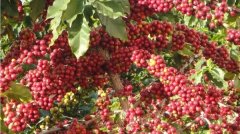
Brief introduction of Ethiopian Coffee
Ethiopia is the hometown of Arabica coffee, and it is in the forests of Kaffa that you can see wild Arabica coffee. In Ethiopian, coffee is called "Bun" or "Buna". Coffee beans (coffee bean) may be translated from "Kaffa Bun".

Ethiopian coffee unpopular knowledge Ethiopian coffee culture
Professional coffee knowledge exchange more coffee bean information please follow the coffee workshop (Wechat official account cafe_style) Ethiopia is known as the birthplace of coffee, it is a local custom, no matter how poor people's homes, they must have a coffee pot and a charcoal stove, why? Because coffee is something that local people think they have to make every day.

Ethiopian Coffee Manor Regional Flavor description Taste processing Brand
Flavor description of Ethiopian Coffee Farm the geographical environment of Ethiopia is very suitable for coffee growth. Coffee is mainly grown in the southern highlands between 1100 and 2300 meters above sea level. The soil in these areas is well drained, slightly acidic and red loose. Currently, about 25% of the Ethiopian population depends directly or indirectly on coffee production for a living. Use tradition

The process of processing and fermentation of Ethiopian coffee by washing
Ethiopian coffee washing is used to process fermented coffee. Coffee is either dried naturally on the patio, or dried by machine, or both. The treatment is to spread the coffee cherries widely on the exposure field for two weeks and sweep them with a rake several times a day so that the coffee beans can be dried more evenly. When dried, the coffee beans will be separated from the skin and dried by a sheller.